asia
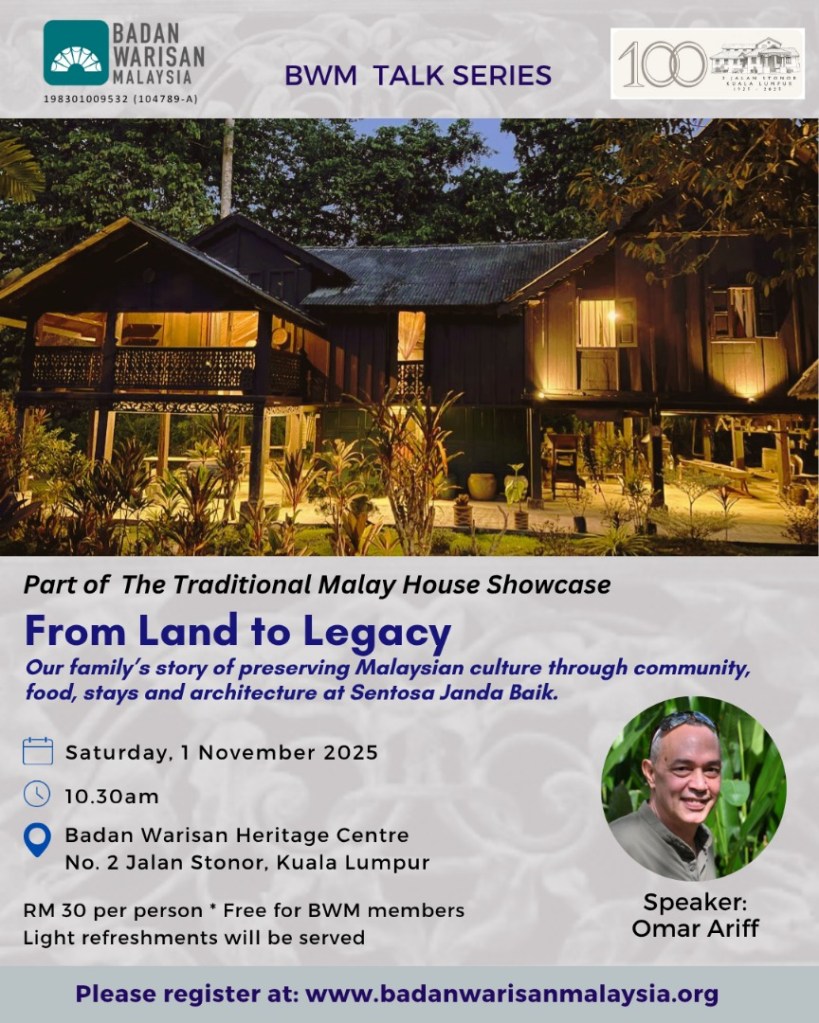
BWM Talk Series: From Land to Legacy
.
Date : 1 November 2025
Time : 10.30 am
Location : Badan Warisan Heritage Centre, No. 2 Jalan Stonor, Kuala Lumpur
Fee : RM30 per person (non-members), Free for BWM members
Light refreshments will be served.
Click HERE to register.
About The Talk
Sentosa Janda Baik was founded by two eccentric souls, Kamarul and Frances, who built the property’s gardens and homes from imagination and heart, a lifelong act of love to preserve Malaysian culture through nature, art, heritage and shared community.
The property was never built with profit in mind. From the start, our journey with Sentosa Janda Baik has been about staying true to what this space was always meant to be, meaningful, rooted, real, and a place where people could come to learn something new.
For us at Sentosa, it was never about changing what was originally built but about continuing the vision and making it more vivid and accessible to all. We refined what was already there, improving the gardens, restoring the houses, and shaping the property so it could welcome everyone, regardless of ability. Small comforts like a new pool and jacuzzi have been added to Rumah Sentosa, not to alter our kampung house’s essence, but to make it comfortable for the modern world.
Our work at Sentosa has always been guided by a deep sense of purpose, keeping the spirit of our family’s estate alive while opening it up for others to experience and learn from.
Through this talk, Omar Ariff reflects on how Sentosa Janda Baik continues to grow as a living space for Malaysian heritage. He shares the ways we have chosen to preserve culture through connection. Every part of Sentosa carries an intention to teach, to spark curiosity, and to remind visitors that culture is not just something to be seen, but something to be lived and shared.
About The Speaker
Omar Ariff is a self-taught photographer and diver whose work is rooted in curiosity, observation, and a deep respect for nature. His journey began beneath the surface as a licensed diving instructor, where he first discovered his love for photography through capturing the quiet beauty of marine life. Over time, his lens moved from the ocean to the land, documenting people, places, and cultures that tell stories of connection and heritage.
He has travelled widely across the world, from Africa and Russia to China, Europe, and Southeast Asia, photographing landscapes and everyday lives that reflect the beauty and diversity of human experience. These journeys strengthened his urge to share stories, to teach, and to create spaces where learning and community come together.
At Sentosa Janda Baik, Omar and his family continue their legacy of preservation and storytelling. Through their work, they have shaped the estate into a living space for Malaysian heritage, a place where nature, art and culture meet, and where people can experience what it truly means to connect with place and story.
BWM Members’ Trip: Heritage Jaunt to Penang

.
Badan Warisan Malaysia has organised a Members’ Trip to George Town, Penang, a UNESCO Heritage Site, and we are pleased to curate a special itinerary for heritage lovers to sample this island’s charms. This trip includes visiting several heritage sites such as one of the oldest Anglican churches in Southeast Asia, the largest & oldest fort in Malaysia, and VIP access to a heritage mansion on Millionaire’s Row. Members will also learn about two unique conservation projects from renowned experts at Cheong Fatt Tze Mansion and Fort Cornwallis, as well as savour culinary delights.
Trip Highlights:
- Guided tour at the iconic Cheong Fatt Tze Mansion, also known as The Blue Mansion, with a talk on heritage conservation by Professor Ar. Laurence Loh, past president of Badan Warisan Malaysia.
- Site visit to learn about the conservation and restoration project of Fort Cornwallis that was implemented by George Town Conservation and Development Corporation (GTCDC), a partnership between Penang Chief Minister Incorporated and Think City with the Aga Khan Trust for Culture as the technical advisor. This guided tour will be led by Conservation Architect Francesco Siravo and Master Builder Giovanni Santo, both of whom have extensive international experience in heritage site conservation.
- Special visit and access within Pro Cathedral of St. George the Martyr and the Homestead.
- Lunch at Auntie Gaik Lean’s Old School Eatery, a Michelin star restaurant for authentic Nyonya cuisine. Buffet dinner at Mangga, a café at The Blue Mansion.
Proposed Itinerary
Friday, 21 February 2025
| Time | Activities |
| 7.30am | Meet at KL Sentral. Travel by train (08.05am) |
| 12.10pm | Arrive in Butterworth, Penang |
| 1.30pm | Check-in SAVV Hotel in George Town |
| 3.30pm | Guided Tour at Cheong Fatt Tze Mansion |
| Heritage Talk by Professor Ar. Laurence Loh | |
| 6.00pm | Dinner at Mangga |
Saturday, 22 February 2025
| Time | Activities |
| 7.00am | Guided Tour at Fort Cornwallis |
| 8.30am | Breakfast |
| 9.30am | Visit to Pro Cathedral of St. George the Martyr |
| 10.00am | Visit to Homestead Heritage Mansion |
| 12.30pm | Lunch at Auntie Gaik Lean’s (Michelin Star Nyonya Restaurant) |
| 4.00pm | Train from Penang to KL |
| 8.10pm | Arrive in KL Sentral |
Fee per person (Twin sharing basis):
Programs, Transport, Hotel & Meals
- Member RM 950
- Non Member RM 1,200
Programs & Meals for Penang portion only, excluding Transport and Hotel (*Subject to availability)
- Member RM 480
- Non Member RM 650
*Please contact Syuhada at syuhada@badanwarisan.org.my if you are interested in joining us for selected activities in Penang. Do not pay deposit until confirmation is made.
Click HERE to register.
BWM Talk Series: Penang Heritage Food & Traditional Objects Used for Cooking by Dr. Ong Jin Teong

Organised by Badan Warisan Malaysia.
BWM Talk Series Details
Date: Saturday, 17 August 2024
Time: 2:30 PM (Kuala Lumpur, GMT+8)
Venue: Badan Warisan Heritage Centre, No. 2 Jalan Stonor, Kuala Lumpur
Fee: RM20 per person (non-members), Free for BWM members
Light refreshments will be served.
Click HERE to register.
Program:
2.00pm : Registration
2.30pm : Talk
3.15pm : Q&A session
3.30pm : Refreshments
Book signing
4.00pm : End of program
About the Talk
Dr. Ong Jin Teong will talk about Penang heritage food from a Nonya/Baba perspective, particularly regarding the predominantly Malay and Hokkien influences on Penang heritage food. He will also cover the South Indian and Thai influences, which distinguish Penang food from the Nonya food found in Melaka and Singapore. He will share insights on the Thai, Hainanese and English influences on Penang heritage food as well as explain the background and origins of the traditional Nonya dishes.
Jin Teong’s talk topics will include kuihs and food prepared using traditional utensils used for cooking. He will explain the rationale for his third book and provide brief highlights from main chapters of “THE TASTES OF HOME – Easy-to-Cook Dishes from Singapore and Malaysia”.
About the Speaker
Dr. Ong Jin Teong was born and raised in a Penang Nonya family. He was encouraged by his mother to cook at an early age. After obtaining his PhD from Imperial College, he joined Cable & Wireless, an international telecommunications company in London. He then moved to Singapore where he was a University professor specialising in wireless communications and systems. After his retirement from the Nanyang Technological University’s College of Engineering – Electrical Engineering, he continued to act as a consultant in wireless engineering and added another field of consultancy – Nonya Heritage food including Nonya cuisine.
He has extensively researched Penang and Nonya cuisines and is a sought-after authority on the subjects. He lectures, photographs, runs the occasional supper club and conducts classes on cooking and heritage related to food.
Jin Teong is the author of “NONYA HERITAGE KITCHEN: Origins, Utensils and Recipes” and “PENANG HERITAGE FOOD: Yesterday’s Recipes for Today’s Cook”. Both books won the Best Culinary History national award at the Gourmand World Cookbook Awards. “NONYA HERITAGE KITCHEN” then went on to win the Best in the World Award in the final round in May 2017 at Yantai, China. “THE TASTES OF HOME – Easy-to-Cook Dishes from Singapore and Malaysia” is his latest book.
BWM Talk Series: Community Engagement Programmes in the Conservation of Heritage Buildings in Sarawak, Malaysia by Professor Dr. A Ghafar Bin Ahmad.
.
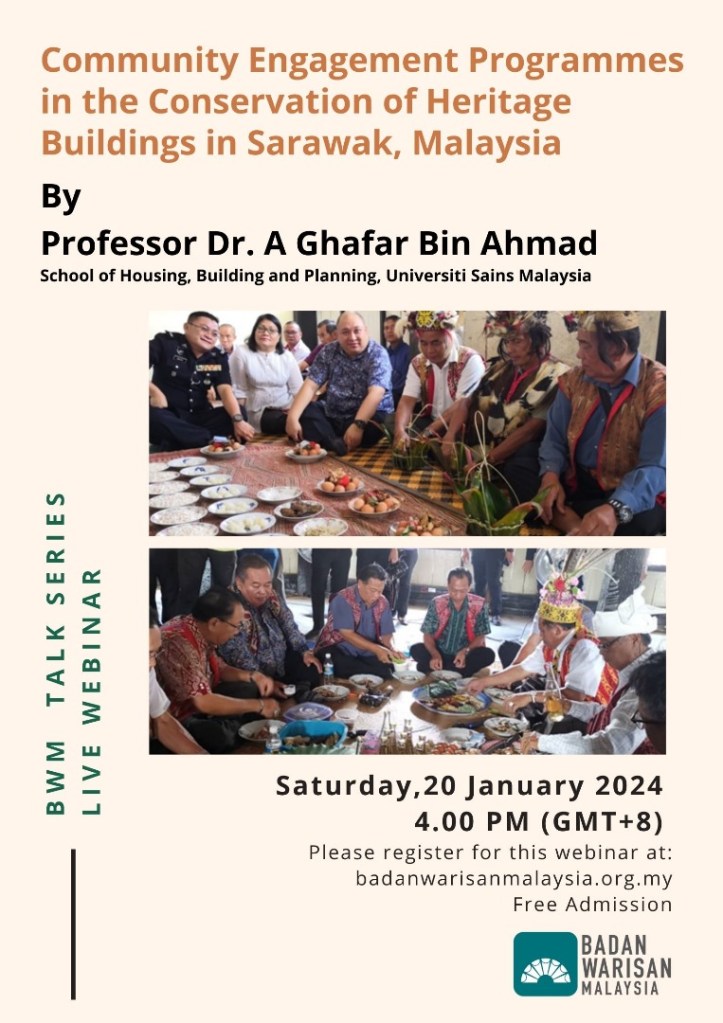
Badan Warisan Malaysia is pleased to kick start our events this year with our BWM Talk Series on the topic, “Community Engagement Programmes in the Conservation of Heritage Buildings in Sarawak, Malaysia” by Professor Dr. A Ghafar Bin Ahmad.
Date: 20 January 2024
Time: 4.00PM
Venue: Virtual via Zoom Webinar
Click HERE to register!
About The Talk
Sarawak has more than 15 forts built during the Brooke administration over the period of 100 years. Under the (then) Antiquities Ordinance 1958 and the Sarawak Cultural Heritage Ordinance 1993, these heritage forts have been gazetted and conserved by the Sarawak Museum Department in lieu of heritage values for future generations. Under the Eleventh Malaysia Plan (2016-2020), the Government of Malaysia through the Sarawak State Government and related government agencies including Sarawak Museum Department and Sarawak Public Works Department has allocated an amount of RM25 million to restore five colonial forts in Sarawak including Fort Emma (located in Kanowit), Fort Hose (Marudi), Fort Lili (Betong), Fort Brooke (Julau) and Fort Sylvia (Kapit). Accordingly, under the provisional sum of the project contract, Fort Emma received an allocation of RM45,000, Fort Hose RM35,000 and Fort Lili RM20,000 to conduct community engagement programmes with the local folks including ritual ceremonies, workshops, dialogues, site visits, public awareness and publicity.
Community engagement programme is a vital component in any heritage building conservation project because it allows the local communities to garner a deeper understanding of the significance of their cultural heritage; to encourage and facilitate community insights, views and feedbacks about the current project; and to nurture trust and foster relationships among the various stakeholders. This talk focuses on the community engagement programmes conducted during the conservation projects of three selected heritage forts of Fort Emma, Fort Lili and Fort Hose in Sarawak.
About The Speaker
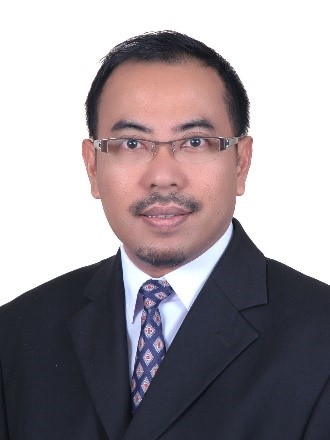
Dr. A Ghafar Ahmad is a professor at the School of Housing, Building and Planning, Universiti Sains Malaysia, Penang, Malaysia. He obtained his Doctor of Philosophy (Building Conservation) from the University of Sheffield, UK, Master of Architecture (Urban Design) from Kent State University, Ohio, USA; and Bachelor of Science (Architecture) from University of Wisconsin-Milwaukee, USA. He is a registered conservator under the Department of National Heritage (JWN); and an Honorary Curator (Building Conservation) for the Sarawak Museum Department. He is also a member of the National Heritage Council, ICOMOS Malaysia, National Heritage Council, and Chairman of the Architectural Heritage and Landscape Committee (under JWN). He was the International Correspondent from Malaysia for Asia-Pacific Cultural Centre for UNESCO (ACCU), Nara, Japan (2008-2022) and Penang Technical Review Panel (2010-2022).
Asia in Those Days by Thomas Brandt


ABOUT THE TALK
This talk by Thomas Brandt will give us an insight into the social life of Europeans from the 16th to the 19th centuries in the Asian region. Brandt spent six years researching the subject and published a book of the same name. The talk, based on this book, will be illustrated with photographs and other historical documents including lithographs and quotations taken from travel reports and contemporaneous writing.
ABOUT THE SPEAKER
Brandt is the General Manager of the Malaysian German Chamber of Commerce and Industry. He has a deep interest in the history of Asia, having lived in South-East Asia for over 20 years. He has also published another book,”China in Those Days”, where he has drawn upon his extensive collection of old postcards from the region
Betel Boxes- Symbol of Wealth, Status & Social Standing

The habit of betel chewing is believed to have started way back into the Neolithic Age, and for a long time, it was thought to be native to India because of several literary references including a Pali text dating from 504 BC describing this practice. Recent linguistic studies and archaeological finds, however, point to another origin, i.e., southeast Asia.
This conclusion is based on the discovery of traces of the piper betel seeds found in various caves in Thailand and Indonesia dating back to 5,000- 7,000 BC and the discovery of a male skeleton with betel-stained teeth in the Duyong caves in the Philippines dating back to 2680 BC. This habit (betel chewing) spread to cover a large area which included mainland southeast Asia, the Indian subcontinent, Sri Lanka, Indonesia, Papua New Guinea and Micronesia and a custom which was enjoyed by both men and women.
Over the years several accounts of the habit have been written by countless travellers and writers including references to betel and areca in Chinese accounts which date back to the 7th century. They believed that the betel and areca had many medicinal qualities most popular being that of a mouth freshener and it was said that its popularity in China only declined with the introduction of opium in the 19th century. In the “The Travels of Ibn Buttute” in the 13th century he described how he was welcomed by a plate of betel leaves and areca nuts on arrival at the palace of the Sultan of Mogadishu, clearly indicating its association with hospitality.
The foreigners were fascinated and at the same time repelled by the black teeth and the red saliva describing the habit as vile and disgusting, but the habitual users considered these very same things as beautiful. Chewing betel which is a mild narcotic evokes a mild euphoria and a general feeling of well-being. The British anthropologist, Tom Harrison claimed that a few minutes of betel chewing after an hour of hard climbing in Sarawak sent waves of energy through his body.
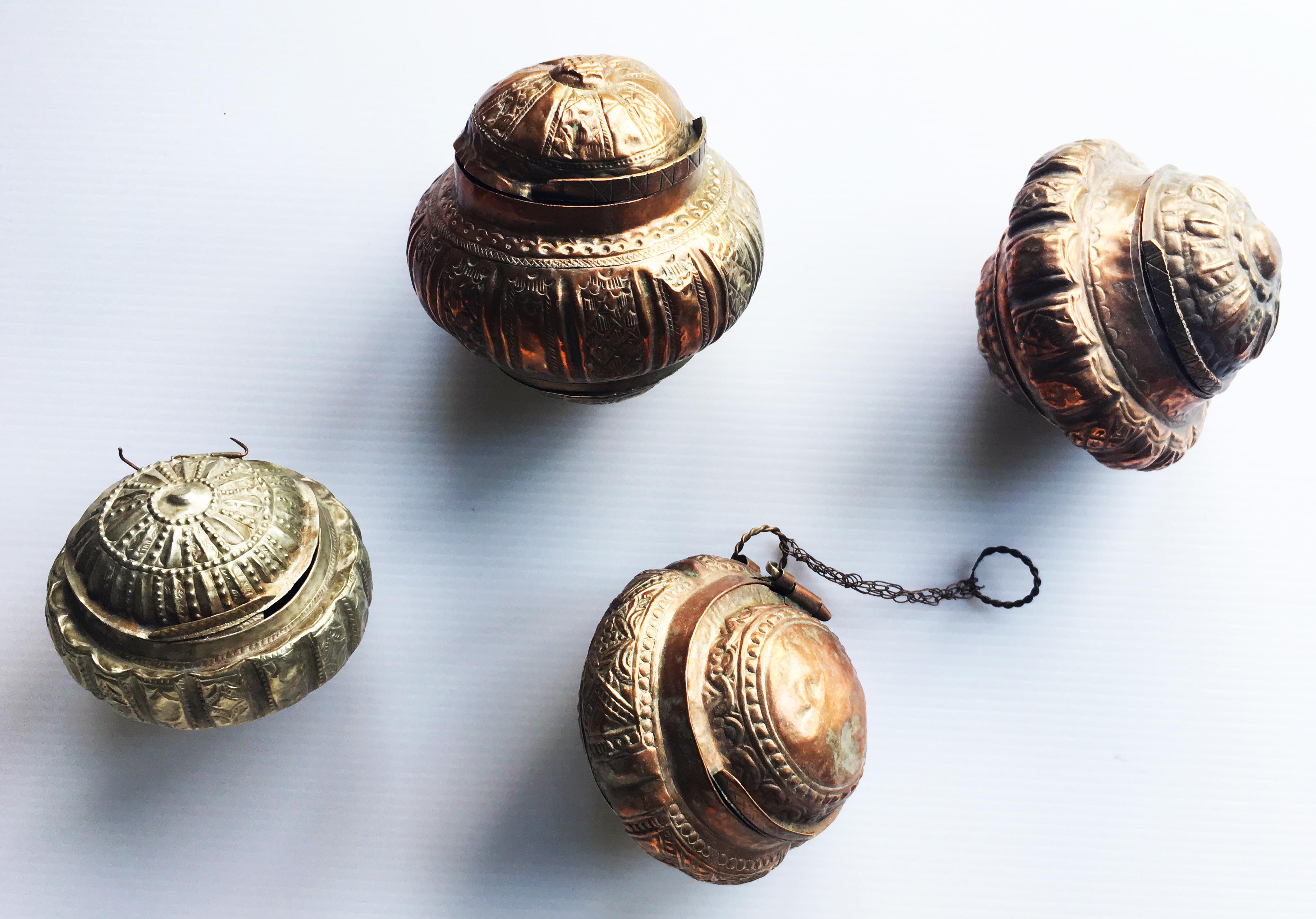
There are three main ingredients necessary for betel chewing, the betel leaf (from the piper betel vine), lime (from limestone or crushed incinerated sea shells) and the areca nut. One starts with the betel leaf to which the lime is smeared, and a few slivers of areca nut added. The leaf is neatly folded into a small parcel which is called a quid or a “chew” and then popped into the mouth between the gum and the cheek. The Malays add gambir as a fourth ingredient which is said to enhance the flow of saliva, but its primary export value was for tanning leather. Tobacco and spices can also be added depending on taste and custom.
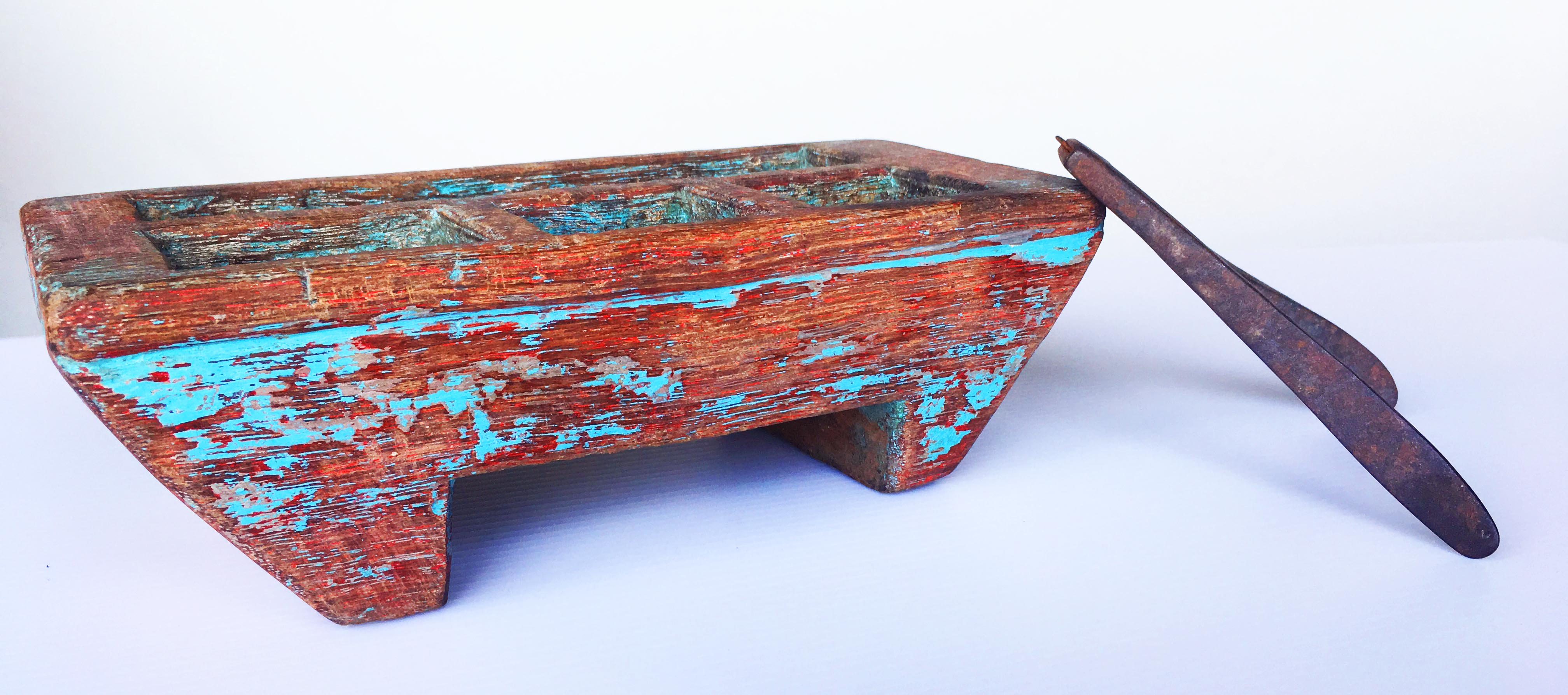
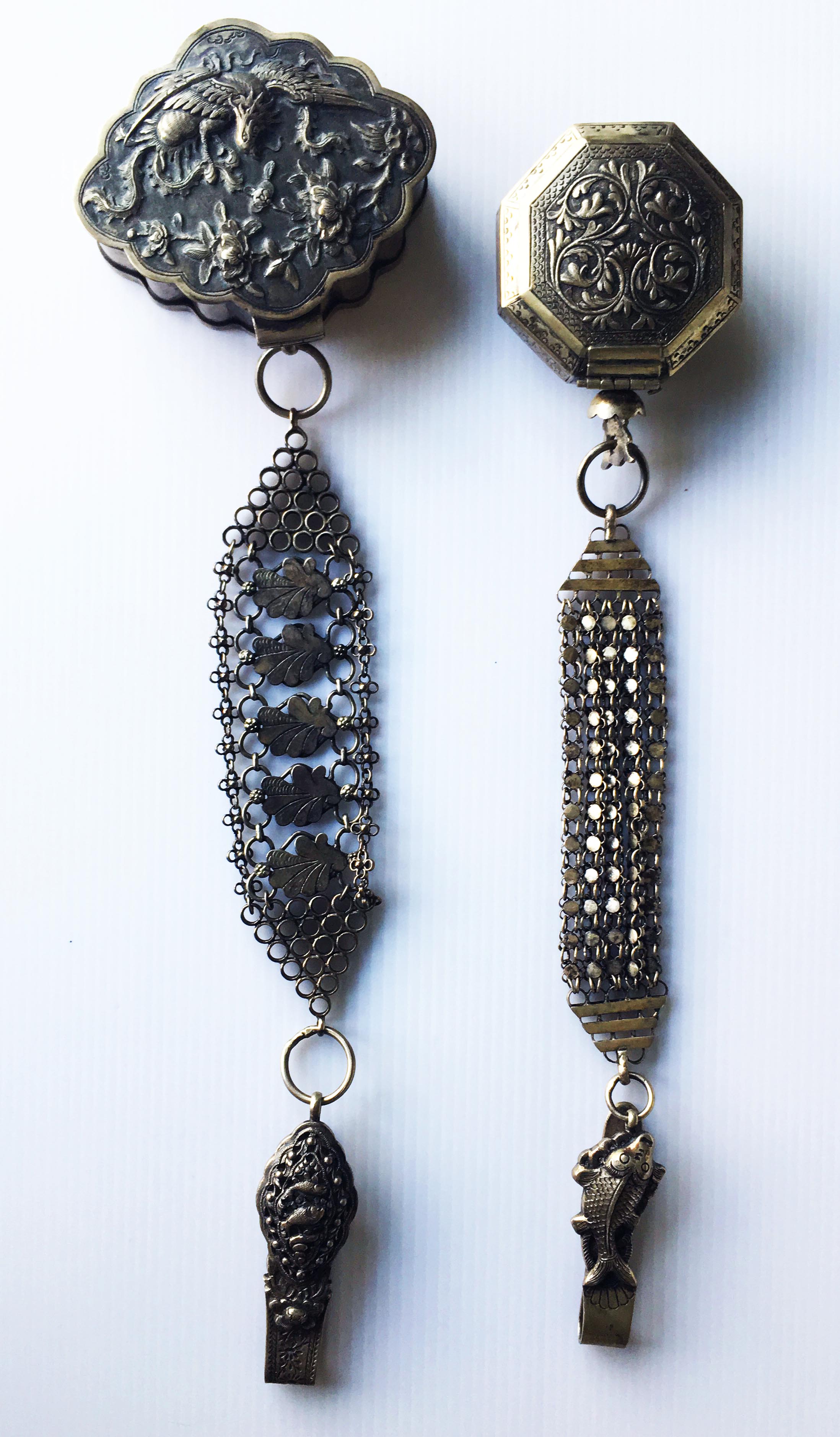
A receptacle was therefore required to house and transport the different ingredients mentioned above, and the Betel Box was born. This can be in the form of boxes, trays, baskets, and bags, fashioned out of silver, gold, brass, bronze, lacquer, wood, ceramic, glass, textile, etc. The shapes and sizes vary to reflect preference gradually becoming a status symbol to indicate the wealth and social standing of its owners.
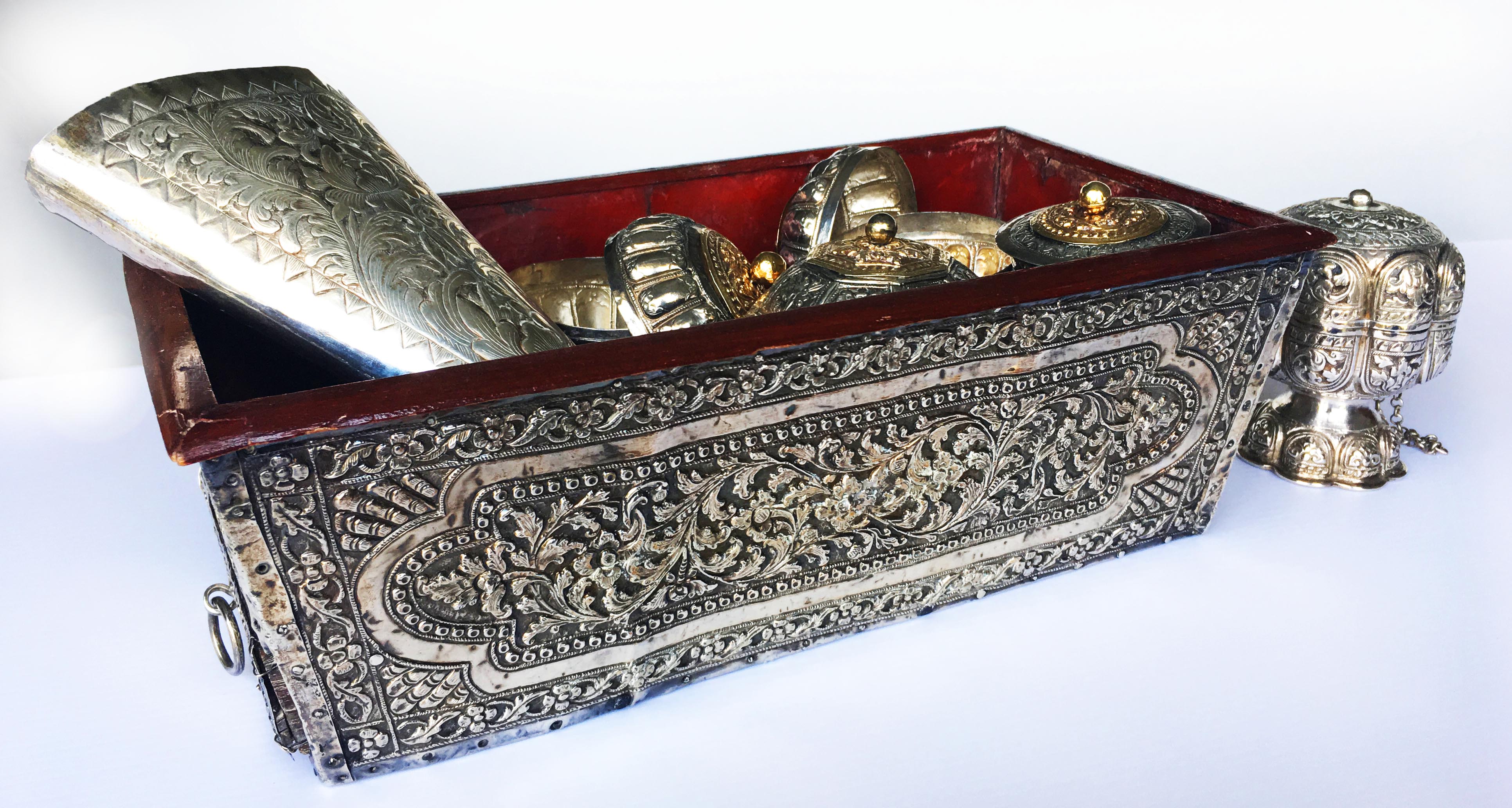
The grandest usually made of gold were reserved for royalty, and this then became part of the royal regalia in countries such as Burma, Thailand and the Malay sultanates. Over time the popularity of betel chewing waned, and when Malaya became independent from the British in 1957, the betel box was excluded from the royal regalia because it was considered old-fashioned. What has remained is its association with respect and hospitality in Malay custom and tradition and the Betel Box, therefore, plays an important role especially in Malay weddings
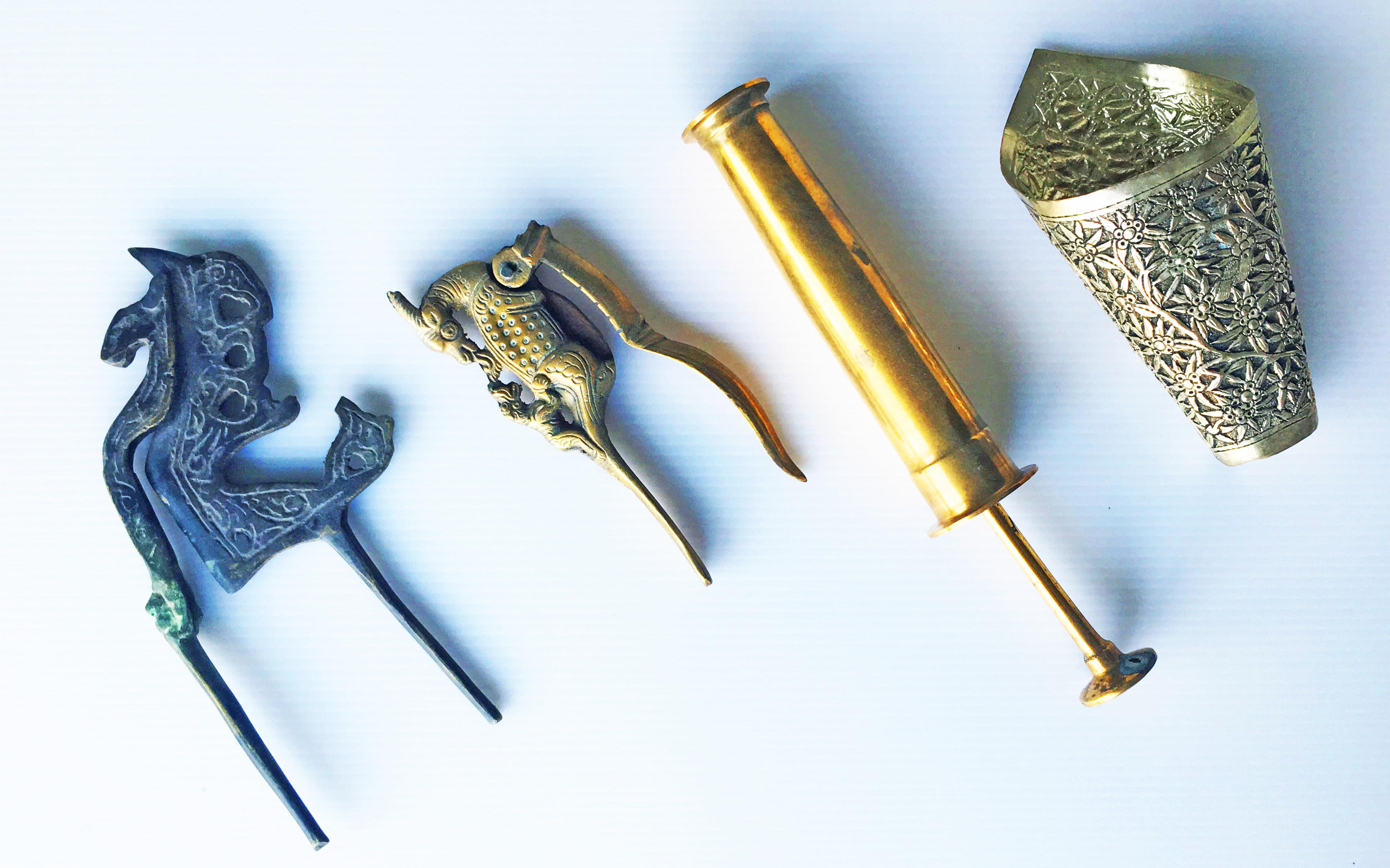
From what was described as an “unlovely practice” by Sir George Scott we have fortunately been left with a very rich inheritance of beautiful Betel Boxes and the various wonderful paraphernalia which were necessary for betel chewing. These include the betel cutters, tobacco boxes, spittoons and mortars which the elderly and toothless needed to pound the ingredients.
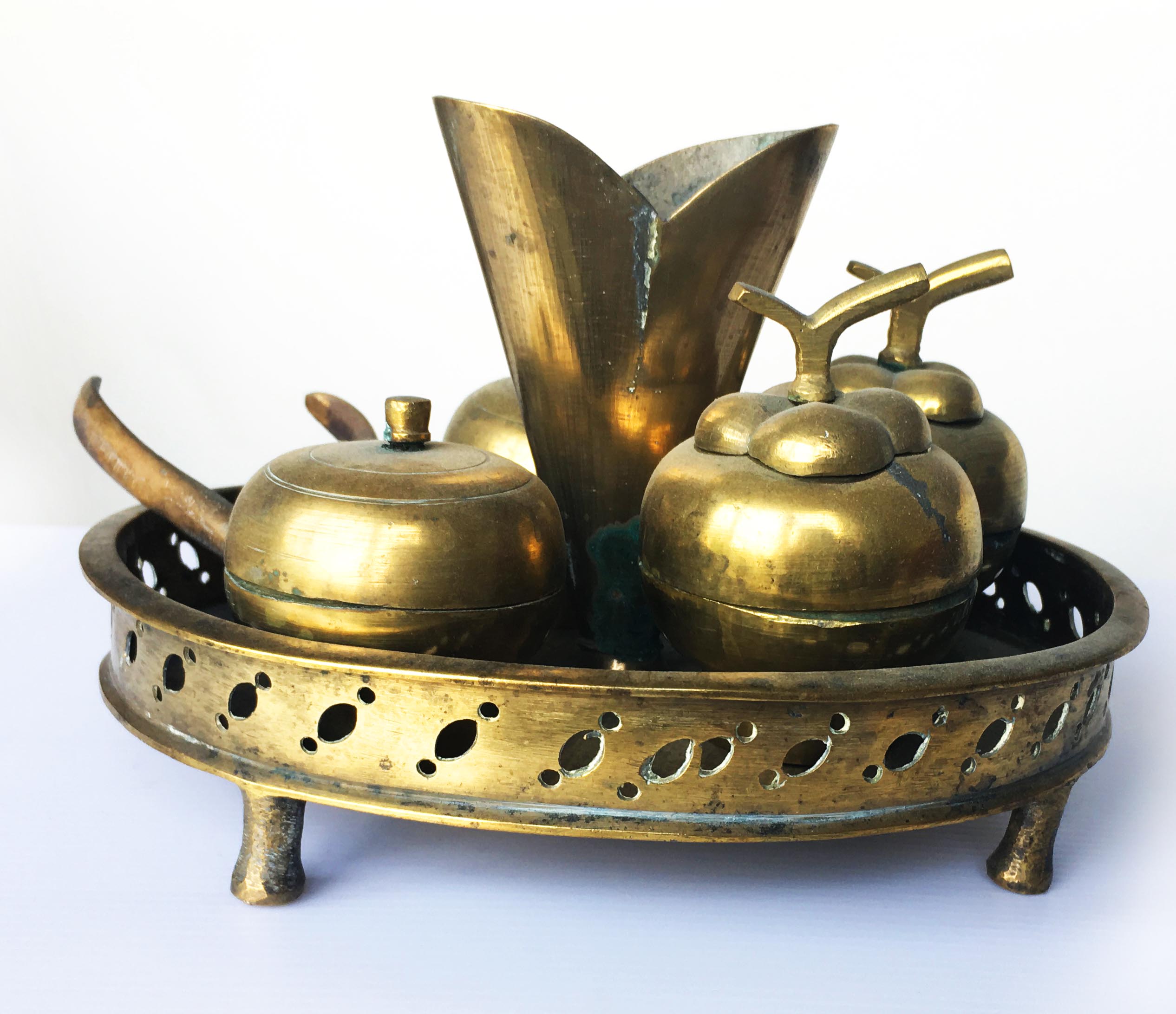
This post is written by Puan Zuraidah Ghani, long-time member of Badan Warisan Malaysia and avid collector of Betel Boxes, otherwise known as Tepak Sirih in Malay.
 © 2026 BADAN WARISAN MALAYSIA. All rights reserved.